Blog

  • Sacred Spaces

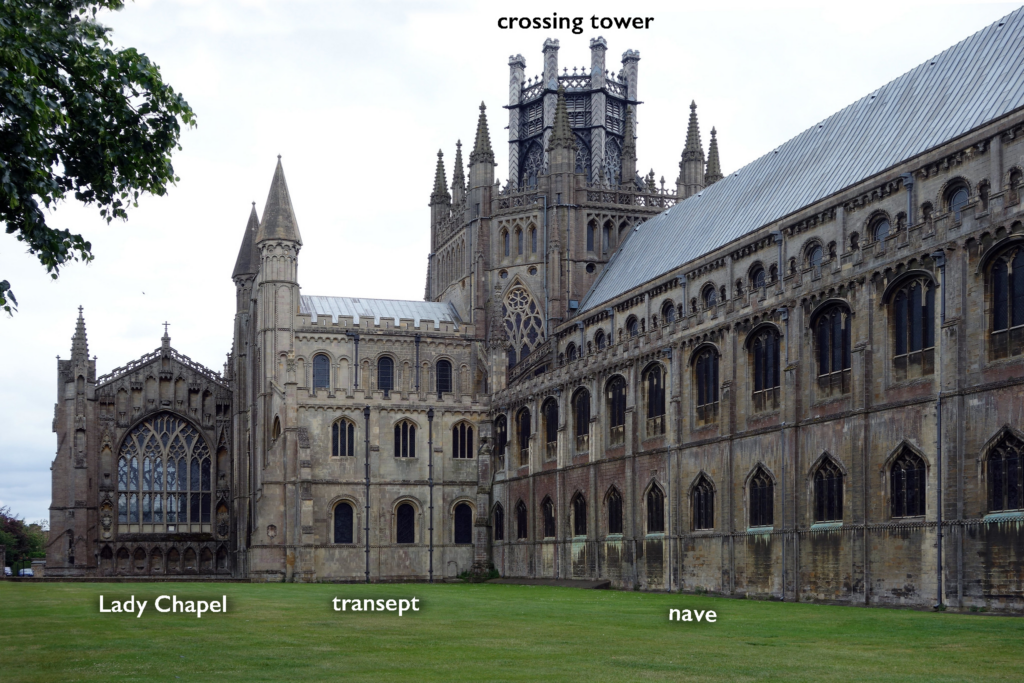
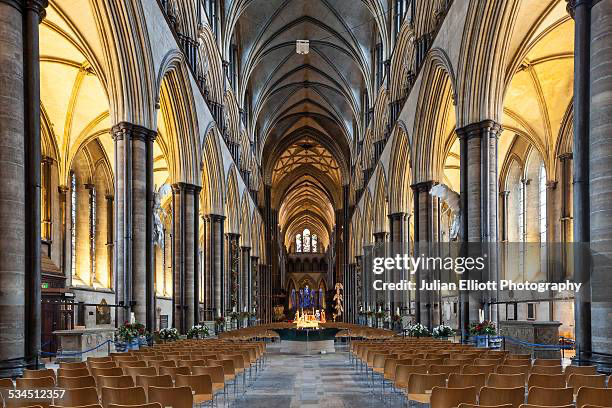
    The Basilica of Saint-Denis in Paris remodeled by Abbot Suger from 1140 to 1144 represents the origin of architecture (Khan Academy, Birth of the Gothic). Its pointed arches, ribbed vaults and thin columns made room for stained glass windows turning sunlight into a sacred element. According to Smarthistory Suger aimed for worshippers to “transition from the contemplation of the light, to God ” demonstrating how architecture served as an instrument of faith. Likewise Salisbury Cathedral (Khan Academy, Salisbury Cathedral) highlights height and illumination featuring towering spires and lancet windows that draw the gaze upward toward the heavens. Each location utilizes advancements and ornamentation to express Christian concepts of divine transcendence.
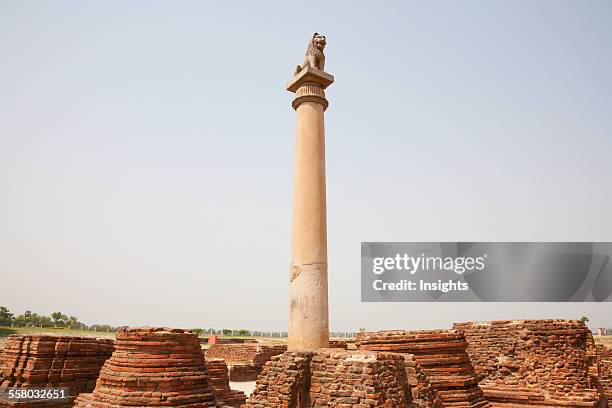
    In Southeast Asia’s tradition sacred structures emphasize directing the spiritual path instead of emphasizing height. Temples commonly include a stupa or shrine encircled by walkways for circumambulation enabling worshippers to meditate as they symbolically trace the route to enlightenment (Khan Academy, The Historical Buddha). Images of the Buddha, mudras and peaceful faces communicate moral lessons while the layout embodies cosmological concepts. In a manner the Pillars of Ashoka (BBC, Episode 32) conveyed ethical and religious messages, via inscriptions and emblematic engravings connecting moral values to the surrounding landscape. These locations illustrate how structures and monuments can embody ethical and societal ideals.
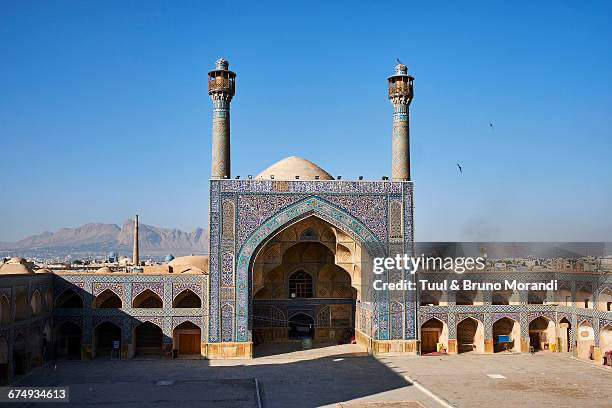
    Islamic architecture, as demonstrated by the Great Mosque of Isfahan highlights worship and the boundless essence of God. Its courtyard with four iwans, hypostyle chambers, domes and minarets establish spaces that’re both practical and emblematic (Khan Academy, The Great Mosque of Isfahan; Introduction to Mosque Architecture). Ornamentation is based on designs, arabesques and Qur’anic verses instead of figurative imagery symbolizing divine unity and harmony. Together with Korea’s Silla royal tombs (Met Museum, Golden Treasures), which use lavish gold and symbolic motifs to signify spiritual authority, these sites show that across cultures, architecture and decoration transform physical spaces into embodiments of religious belief.
  • Ancient Greek Art

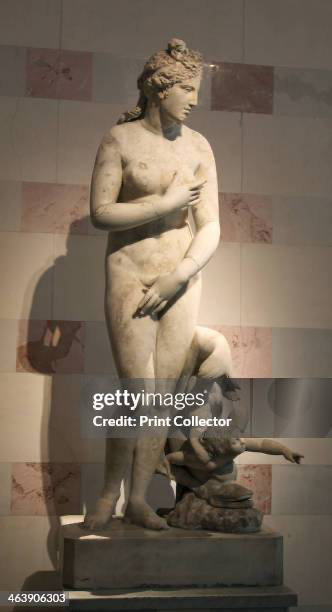
    Ancient Greece transformed the depiction of the human form moving away from stiff conventional shapes toward lifelike emotive figures that honored human capability. Initial pieces like the Kouros statues mark the start of this transformation, these figures are still balanced and rigid. Artists were starting to investigate anatomical detail and idealized measurements. According to the Khan Academy, Greek sculptors grew more committed to a ” perfect body ” employing keen observation and geometric principles to depict humans not merely as they appeared but as they might ideally exist. This change persists through the Classical era with pieces such as the Capitoline Venus showcasing realism, alongside beauty highlighting gentle muscle definition, well-proportioned counterpoise and a composed balanced figure.

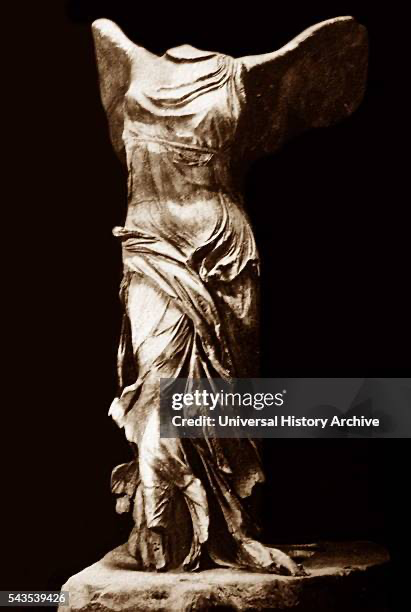
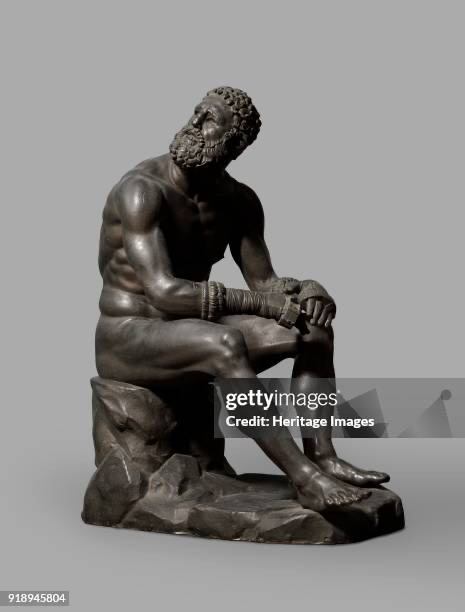
    During the era Greek artists advanced in creating more expressive depictions of the human form conveying emotion, motion and inner psychological complexity. The Nike of Samothrace illustrates this clearly: her garments swirl as if stirred by ocean breezes making the observer feel she has just landed on a ship’s bow. Similarly the Boxer, at Rest featured in the Khan Academy video portrays a scene of human fragility with his body collapsed, hands bandaged and face bruised. Of idealizing flawlessness Hellenistic sculptors focused on personalized emotional authenticity. The reading states that this era embraced “intensified drama and pathos ” converting the figure into a medium for storytelling and compassion.

    Greek methods of representing the body persist in influencing today’s world. From Renaissance painters who resurrected contrapposto to today’s fitness and sports culture centered on crafting an “ideal physique ” Greek visual vocabulary still forms the foundation of Western concepts of beauty, power and harmony. Contemporary public architecture also reflects inspiration, particularly, in government structures whose columns and pediments deliberately evoke Classical temples. When we see marble statues in museums, athletic branding that emphasizes symmetry and proportion, or neoclassical courthouses modeled after the Parthenon, we are witnessing the long afterlife of Greek ideals. The Greek quest to visualize perfection refined over centuries from Archaic to Hellenistic art continues to shape how the human body is represented, valued, and understood today.

  • Rome vs. Religion

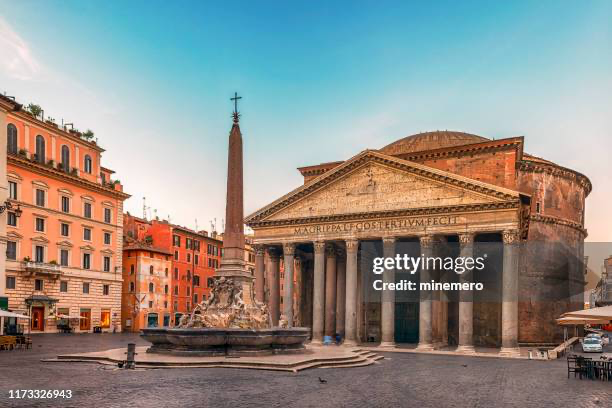
    The shift from Ancient Rome to Christian Europe demonstrates a significant transformation in the visual representation of authority and meaning within societies. Roman art and architectural works emphasized structure, imperial power and imposing greatness frequently achieved through engineering. For instance the Pantheon, in Rome (c. 118–125 CE) features a concrete dome and oculus symbolizing cosmic order and embodying the Roman concept of political and religious authority vested in the emperor. 

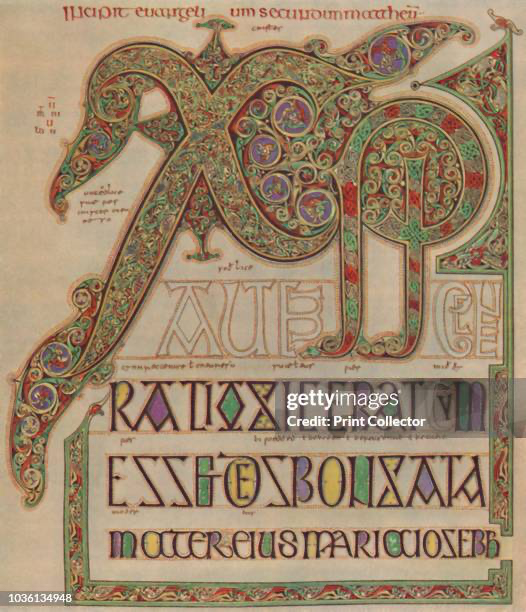
    Christian European artwork, exemplified by the Lindisfarne Gospels (circa 700 CE) shifted visual expression, toward religious and collective intentions. The manuscript’s complex interwoven designs, animal-shaped motifs and detailed initials express piety and contemplation of regal magnificence (Smarthistory, The Lindisfarne Gospels). In a manner early Christian churches modified the Roman basilica design to support worship and the reverence of relics along pilgrimage paths featuring layouts made to hold large gatherings while highlighting holy areas (Khan Academy, Medieval Churches: Sources and Forms; Khan Academy, Pilgrimage Routes and the Cult of the Relic). These structures show the transition, from glorifying earthly leaders to recognizing divine power and leading believers.

    When contrasting impact with early Christian Europe the similarity is found in framework and creativity while the difference appears in the intent and symbolism. Architectural elements like columns, arches and domes, from Rome were incorporated into church designs yet their significance shifted. They no longer represent imperial authority instead embodying holy organization and collective belief (Khan Academy, Medieval Churches: Sources and Forms). Manuscripts such as the Lindisfarne Gospels display a visual approach, intricate designs and gold leaf highlight spiritual elevation instead of earthly power (Smarthistory, The Lindisfarne Gospels). Following progressions, in Ottonian art maintained this direction utilizing manuscripts, reliquaries and grand church architecture to strengthen spiritual influence and community unity illustrating the lasting influence of early Christian visual traditions (Smarthistory, Carolingian Art, an Khan Academy, Ottonian Art: An Introduction). The Crusades later amplified this visual language, linking pilgrimage, sacred spaces, and the display of relics to broader social and religious movements (Smarthistory, The Impact of the Crusades).

  • The Role of Material in Non-Western Art

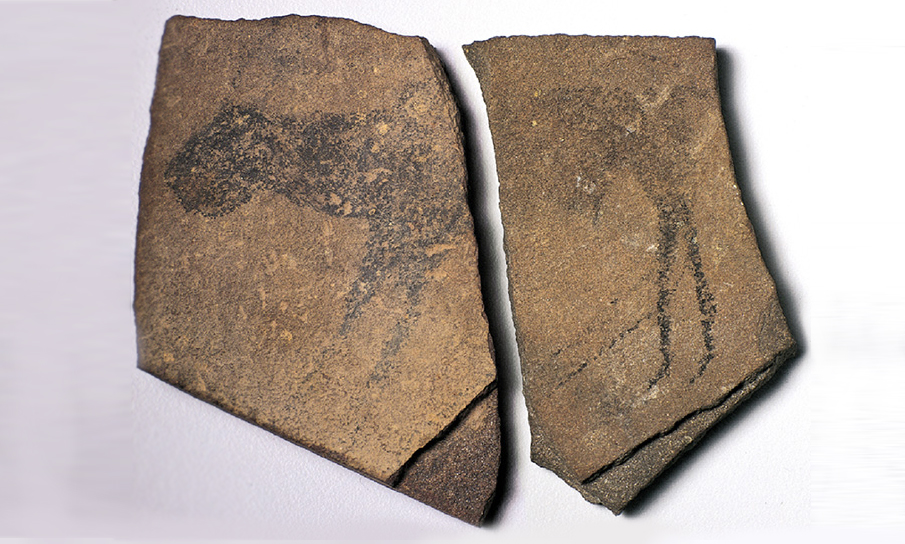
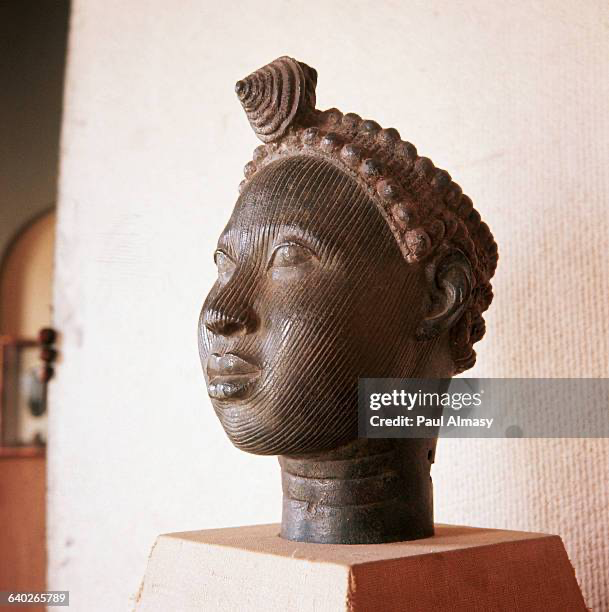
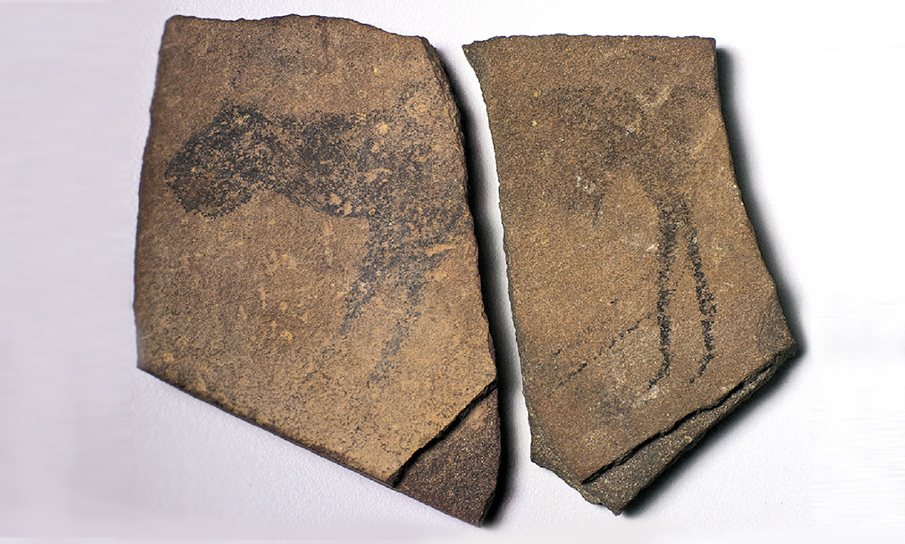
    Western art history has privileged marble, oil paint, and bronze as “noble” materials, but global artistic traditions demonstrate that meaning is profoundly shaped by the material world available to each culture. In Africa, for example, artists working in rock, pigment, and later metal created visual effects impossible to replicate in Western media. The Metropolitan Museum of Art notes that African rock paintings and engravings demonstrate “sophistication, energy, and direct, powerful forms” that are inseparable from the rocky surfaces on which they were made (Met Museum: African Rock Art). Because pigments were applied directly onto uneven cliffs and boulders, the natural contours of the rock created illusions of motion and depth distinct from those produced by oil paint on canvas. Additionally, in the BBC’s A History of the World in 100 Objects, Episode 63 highlights the Bronze Head from Ife, a masterpiece of lost-wax casting. The episode emphasizes how the highly polished copper-alloy surface achieves a lifelike smoothness and spirituality “as refined as any portrait in the classical world,” yet produced through entirely different technical traditions. Taken together, rock art and Ife bronze reveal how African artists used local materials to express identity, ritual, and presence values that differ fundamentally from Western ideals of permanence and realism.

    https://smarthistory.org/wp-content/uploads/2018/08/apollo-11-thumb.jpg

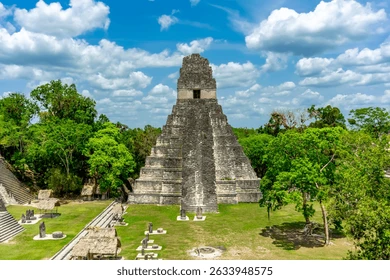
    Turning to the Americas, the sacred architecture of the ancient Maya demonstrates how material can physically anchor cultural meaning. At Tikal, massive temple pyramids were constructed from quarried limestone coated in thick layers of plaster, forming surfaces that were then modeled into giant stucco masks and painted in vivid colors. The Met Museum notes that the early North Acropolis once held “over a hundred plaster-surfaced temples,” whose broad staircases and monumental modeled masks turned architecture into a performative stage for kingship and ritual (Met Museum: Tikal Sacred Architecture). The softness and moldability of wet plaster allowed Maya artists to create large-scale sculptural façades that would be impossible in the rigid, brittle marble favored in Europe. These stucco surfaces were not just decorative, they functioned as cosmological symbols, linking rulers to deities and the natural world. In this way, Maya architectural materials fostered a dynamic visual culture grounded in ritual performance, sensory immersion, and political authority.

    Comparing these traditions reveals how deeply material choices shape artistic meaning. Rock surfaces integrate painting with landscape in ways no canvas can; bronze casting in Ife creates lifelike presence without relying on Greco-Roman naturalism; and Maya plastered stone architecture achieves monumental storytelling unavailable to marble or oil paint. These works support the idea, as one reading states, that “materials are never neutral, they carry the cosmologies and social structures of the cultures that shape them. When we look beyond the Western hierarchy of media, we see that global artists developed sophisticated visual languages rooted not in a single concept of “high art,” but in the possibilities offered by their environments. Understanding these materials therefore allows us to understand the values, rituals, and worldviews of the societies that made them.

  • History of Art and It’s relevance to Photography

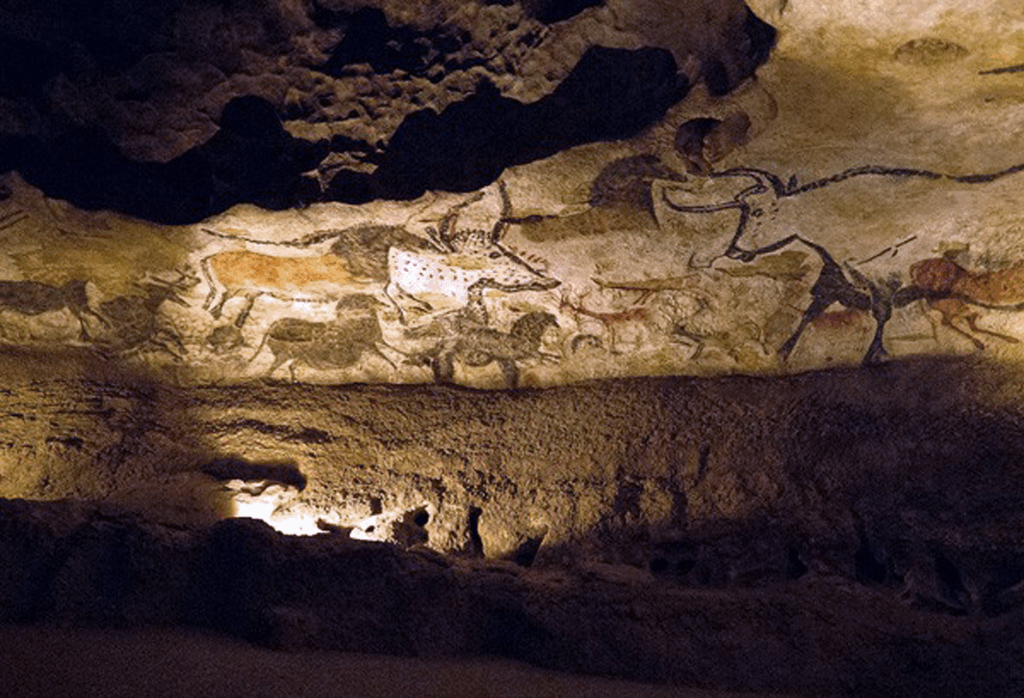
    As a photographer, studying art history, especially prehistoric art, is super cool because it teaches me how people used pictures to share stories and feelings long ago, which helps me take better photos. The Lascaux cave paintings, made about 17,000 years ago in France, are a good example of this. These great paintings of animals and hunters on cave walls use bold lines and shapes to show movement, kind of like how I frame action shots or landscapes. A quote from class that sums it up is: “Prehistoric art shows early human creativity and society.” This makes me think about using light and shadows in my photos to tell stories, just like those ancient artists did back then.

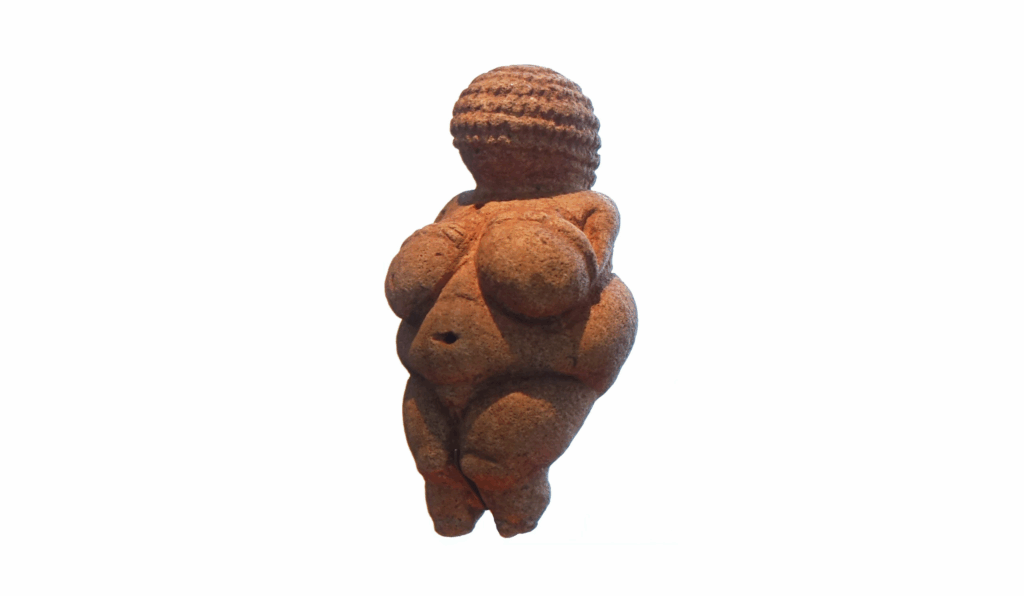
    Another cool example is the Venus of Willendorf, which is a tiny 11-cm statue from 25,000 years ago, with big hips and breasts that probably was a totem of fertility. In class, we said it shows early humans thinking in symbols and sculptures. This connects with portrait photography, where I try to capture someone’s personality through poses and angles, like the statue’s maker did. I also took a digital media class where we learned how photos can show important stuff, and this ties in with using photography to highlight historical events and moments.

    Also, studying prehistoric art connects to today’s world, like how climate change is messing up sites like Lascaux with humidity and erosion. This makes me want to visit those areas and use my camera to take pictures of them to raise awareness, blending art with action, like projects in my digital media class. Prehistoric art shows us how powerful pictures have always been, making it totally worth studying for my photography passion.

  • Hello world!

    Welcome to WordPress. This is your first post. Edit or delete it, then start writing!