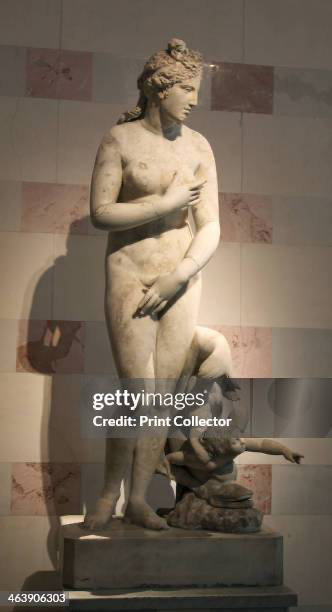
Ancient Greece transformed the depiction of the human form moving away from stiff conventional shapes toward lifelike emotive figures that honored human capability. Initial pieces like the Kouros statues mark the start of this transformation, these figures are still balanced and rigid. Artists were starting to investigate anatomical detail and idealized measurements. According to the Khan Academy, Greek sculptors grew more committed to a ” perfect body ” employing keen observation and geometric principles to depict humans not merely as they appeared but as they might ideally exist. This change persists through the Classical era with pieces such as the Capitoline Venus showcasing realism, alongside beauty highlighting gentle muscle definition, well-proportioned counterpoise and a composed balanced figure.
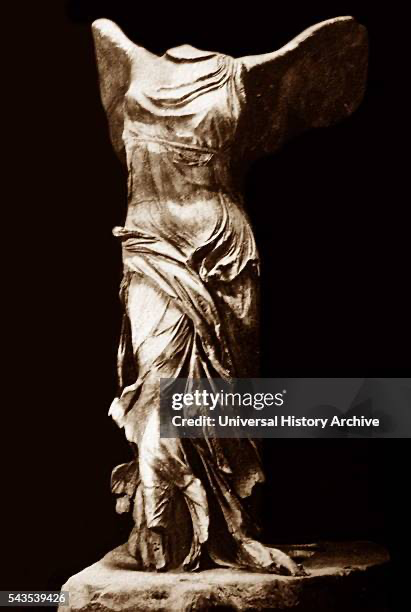
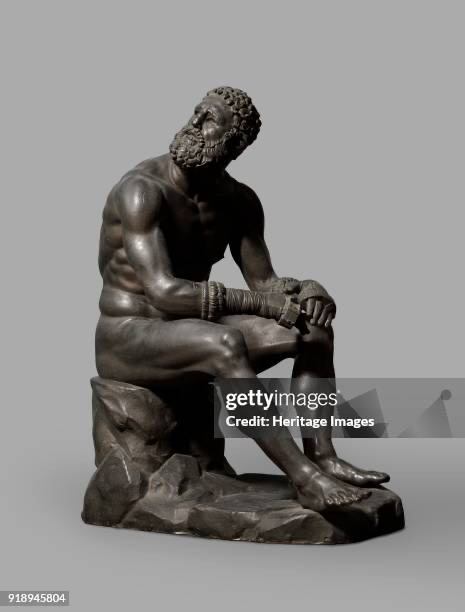
During the era Greek artists advanced in creating more expressive depictions of the human form conveying emotion, motion and inner psychological complexity. The Nike of Samothrace illustrates this clearly: her garments swirl as if stirred by ocean breezes making the observer feel she has just landed on a ship’s bow. Similarly the Boxer, at Rest featured in the Khan Academy video portrays a scene of human fragility with his body collapsed, hands bandaged and face bruised. Of idealizing flawlessness Hellenistic sculptors focused on personalized emotional authenticity. The reading states that this era embraced “intensified drama and pathos ” converting the figure into a medium for storytelling and compassion.
Greek methods of representing the body persist in influencing today’s world. From Renaissance painters who resurrected contrapposto to today’s fitness and sports culture centered on crafting an “ideal physique ” Greek visual vocabulary still forms the foundation of Western concepts of beauty, power and harmony. Contemporary public architecture also reflects inspiration, particularly, in government structures whose columns and pediments deliberately evoke Classical temples. When we see marble statues in museums, athletic branding that emphasizes symmetry and proportion, or neoclassical courthouses modeled after the Parthenon, we are witnessing the long afterlife of Greek ideals. The Greek quest to visualize perfection refined over centuries from Archaic to Hellenistic art continues to shape how the human body is represented, valued, and understood today.
Leave a Reply