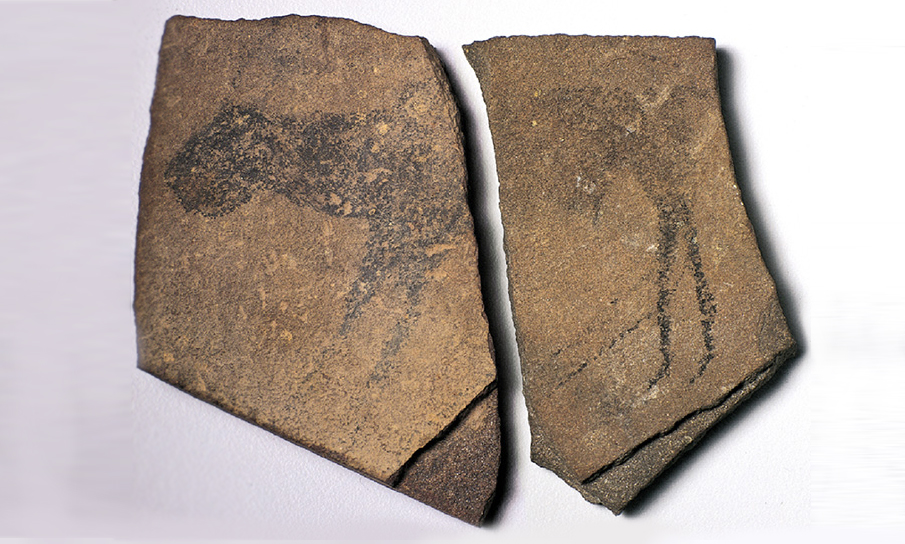
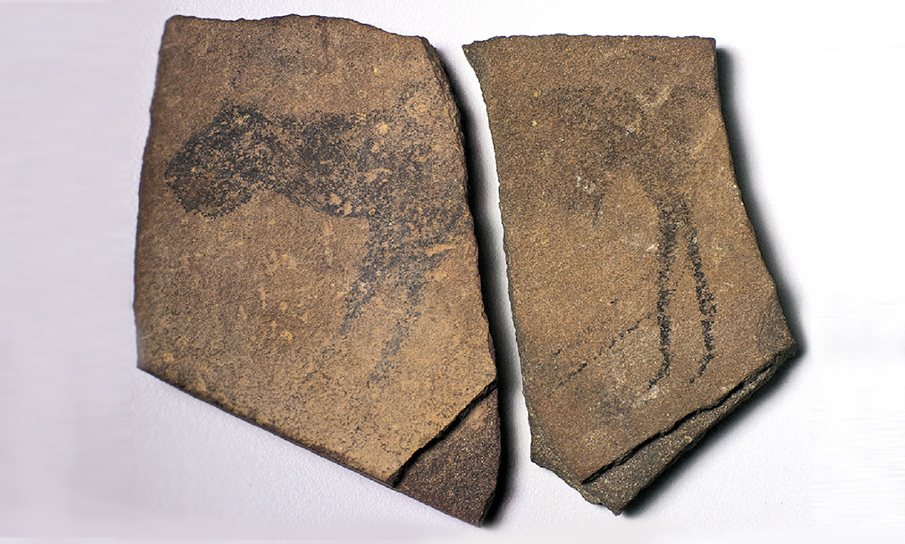
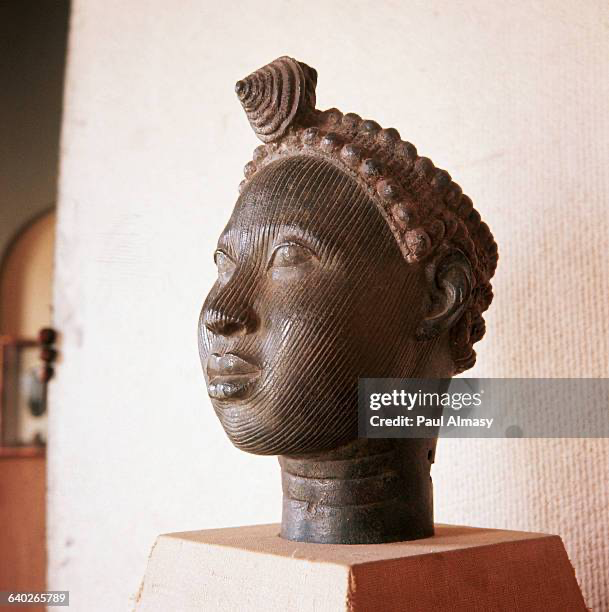
Western art history has privileged marble, oil paint, and bronze as “noble” materials, but global artistic traditions demonstrate that meaning is profoundly shaped by the material world available to each culture. In Africa, for example, artists working in rock, pigment, and later metal created visual effects impossible to replicate in Western media. The Metropolitan Museum of Art notes that African rock paintings and engravings demonstrate “sophistication, energy, and direct, powerful forms” that are inseparable from the rocky surfaces on which they were made (Met Museum: African Rock Art). Because pigments were applied directly onto uneven cliffs and boulders, the natural contours of the rock created illusions of motion and depth distinct from those produced by oil paint on canvas. Additionally, in the BBC’s A History of the World in 100 Objects, Episode 63 highlights the Bronze Head from Ife, a masterpiece of lost-wax casting. The episode emphasizes how the highly polished copper-alloy surface achieves a lifelike smoothness and spirituality “as refined as any portrait in the classical world,” yet produced through entirely different technical traditions. Taken together, rock art and Ife bronze reveal how African artists used local materials to express identity, ritual, and presence values that differ fundamentally from Western ideals of permanence and realism.
https://smarthistory.org/wp-content/uploads/2018/08/apollo-11-thumb.jpg
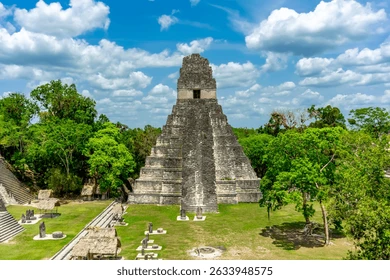
Turning to the Americas, the sacred architecture of the ancient Maya demonstrates how material can physically anchor cultural meaning. At Tikal, massive temple pyramids were constructed from quarried limestone coated in thick layers of plaster, forming surfaces that were then modeled into giant stucco masks and painted in vivid colors. The Met Museum notes that the early North Acropolis once held “over a hundred plaster-surfaced temples,” whose broad staircases and monumental modeled masks turned architecture into a performative stage for kingship and ritual (Met Museum: Tikal Sacred Architecture). The softness and moldability of wet plaster allowed Maya artists to create large-scale sculptural façades that would be impossible in the rigid, brittle marble favored in Europe. These stucco surfaces were not just decorative, they functioned as cosmological symbols, linking rulers to deities and the natural world. In this way, Maya architectural materials fostered a dynamic visual culture grounded in ritual performance, sensory immersion, and political authority.
Comparing these traditions reveals how deeply material choices shape artistic meaning. Rock surfaces integrate painting with landscape in ways no canvas can; bronze casting in Ife creates lifelike presence without relying on Greco-Roman naturalism; and Maya plastered stone architecture achieves monumental storytelling unavailable to marble or oil paint. These works support the idea, as one reading states, that “materials are never neutral, they carry the cosmologies and social structures of the cultures that shape them. When we look beyond the Western hierarchy of media, we see that global artists developed sophisticated visual languages rooted not in a single concept of “high art,” but in the possibilities offered by their environments. Understanding these materials therefore allows us to understand the values, rituals, and worldviews of the societies that made them.
Leave a Reply