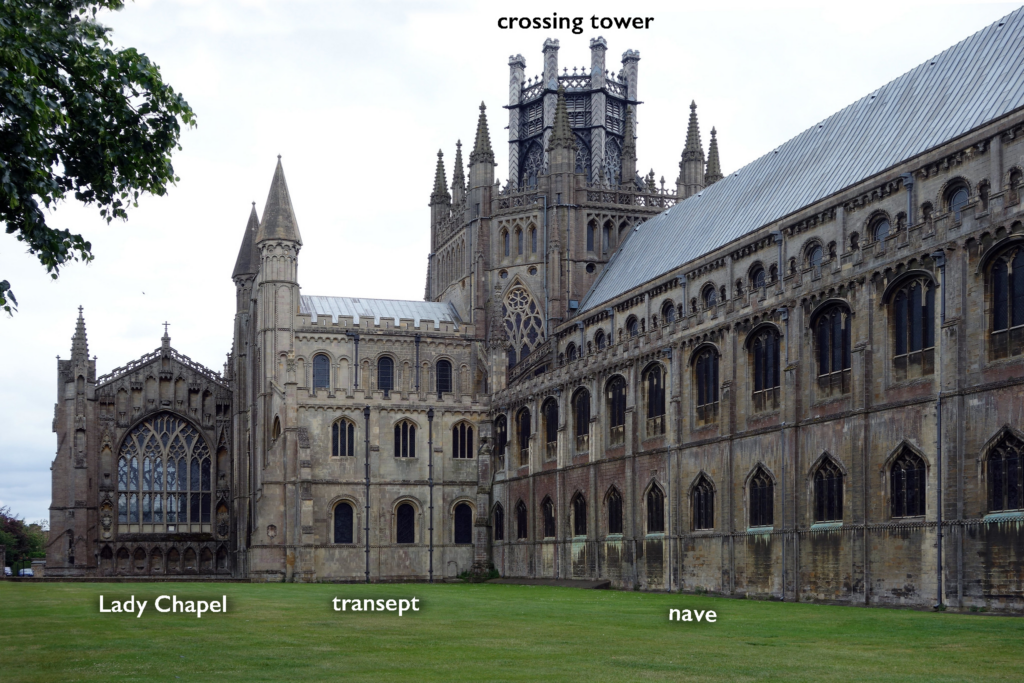
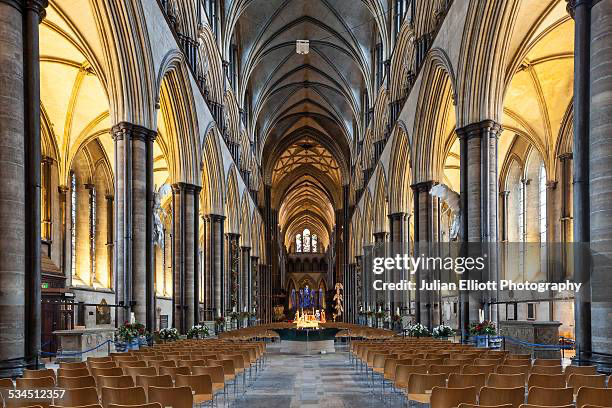
The Basilica of Saint-Denis in Paris remodeled by Abbot Suger from 1140 to 1144 represents the origin of architecture (Khan Academy, Birth of the Gothic). Its pointed arches, ribbed vaults and thin columns made room for stained glass windows turning sunlight into a sacred element. According to Smarthistory Suger aimed for worshippers to “transition from the contemplation of the light, to God ” demonstrating how architecture served as an instrument of faith. Likewise Salisbury Cathedral (Khan Academy, Salisbury Cathedral) highlights height and illumination featuring towering spires and lancet windows that draw the gaze upward toward the heavens. Each location utilizes advancements and ornamentation to express Christian concepts of divine transcendence.
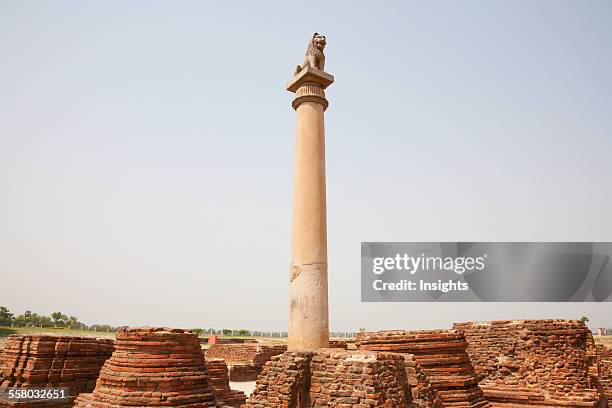
In Southeast Asia’s tradition sacred structures emphasize directing the spiritual path instead of emphasizing height. Temples commonly include a stupa or shrine encircled by walkways for circumambulation enabling worshippers to meditate as they symbolically trace the route to enlightenment (Khan Academy, The Historical Buddha). Images of the Buddha, mudras and peaceful faces communicate moral lessons while the layout embodies cosmological concepts. In a manner the Pillars of Ashoka (BBC, Episode 32) conveyed ethical and religious messages, via inscriptions and emblematic engravings connecting moral values to the surrounding landscape. These locations illustrate how structures and monuments can embody ethical and societal ideals.
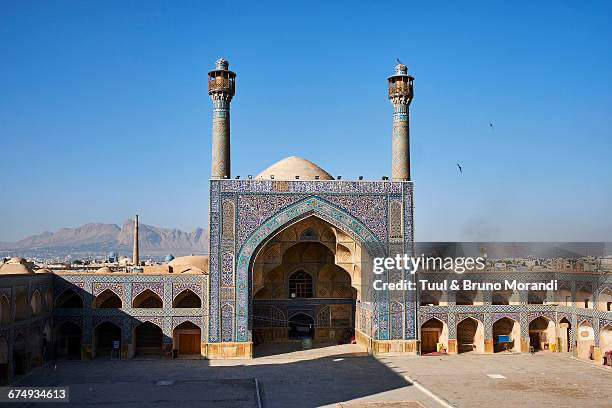
Islamic architecture, as demonstrated by the Great Mosque of Isfahan highlights worship and the boundless essence of God. Its courtyard with four iwans, hypostyle chambers, domes and minarets establish spaces that’re both practical and emblematic (Khan Academy, The Great Mosque of Isfahan; Introduction to Mosque Architecture). Ornamentation is based on designs, arabesques and Qur’anic verses instead of figurative imagery symbolizing divine unity and harmony. Together with Korea’s Silla royal tombs (Met Museum, Golden Treasures), which use lavish gold and symbolic motifs to signify spiritual authority, these sites show that across cultures, architecture and decoration transform physical spaces into embodiments of religious belief.